- 560 Kingsway Vancouver
- (604) 620 - 6560
- booking@loongwellness.ca
If you typed “TCM Clinic Vancouver” into Google, you’re probably not shopping for a generic wellness trend—you want a real plan for a problem that keeps coming back. In Mount Pleasant and across East Vancouver, a common story is: pain improves for a week, then returns after long sitting, stress spikes, or a jump in training load. Traditional Chinese Medicine (TCM) is most helpful when it’s used as a clinical framework: assess the pattern, choose the tools (acupuncture and, when appropriate, classical herbal medicine), then track progress with clear checkpoints.
Quick Answer:
A TCM Clinic in Vancouver typically offers Traditional Chinese Medicine assessment and acupuncture, sometimes combined with classical herbal medicine. Dr. Liangjie Ye follows the Jing Fang (Classical Formulas) tradition, focusing on recurring pain patterns (like sciatica, migraines, sports injuries) and “hard-to-resolve” internal concerns such as sleep, digestion, and fatigue—using a structured plan you can monitor over time.

Most patients aren’t just looking for needles. They’re looking for a clinician who can connect the dots: why back pain flares after a workweek, why headaches cluster during stressful months, or why a shoulder injury won’t fully settle even after rest. A strong TCM approach maps your triggers (posture, load, sleep, stress) to a consistent clinical pattern, then treats the pattern—not just the loudest symptom today.
In Mount Pleasant and nearby neighbourhoods, daily life is often “desk + commute + training + stress.” That combination tends to create recurring cycles: tight hips and low back after sitting, neck tension after laptop hours, then flare-ups after workouts. What patients usually want is a repeatable plan with milestones, not random visits.
Dr. Liangjie Ye has over two decades of expertise in the Jing Fang (Classical Formulas) tradition. Originally from Hubei, China, he serves as a Doctoral Instructor at VaCC and is a council member and global expert with the World Huatuo Medical Research Association. He is widely recognized for research into TCM classics, including Shanghan Lun, and has produced 135+ educational lectures for an international medical audience.
In clinic, it means you should expect clear reasoning. Instead of vague promises, the focus is on: what pattern is driving your symptoms, what changes would count as meaningful progress, and how your plan will adjust if symptoms shift over time.
Many patients book TCM care for recurring pain patterns—sciatica-like symptoms, migraines, sports injuries, and musculoskeletal tension that keeps returning. The practical goal is often function-first: sit through the workday with fewer flare-ups, train without rebound pain, or sleep through the night without being woken by discomfort.
Some people notice pain travels with sleep disruption, digestive discomfort, or chronic fatigue. In a Jing Fang-style assessment, those aren’t treated as “random extras.” They can be part of the same clinical pattern—especially when symptoms fluctuate together during stressful or busy seasons.

A good first appointment should feel organized. Expect questions about your timeline (when it began, how it changed), triggers (work posture, training load, stress), and system signals (sleep quality, digestion, energy). Then the clinician connects that information into a working pattern and explains the plan. If you want a simple preview of booking steps, you can use this page: Contact / Booking.
For recurring issues, many people start with a short, consistent series to establish a trend (often weekly for a few weeks). The goal is not perfection in one session. The goal is measurable change: lower intensity, fewer flare-ups, better sleep after treatment, and improved tolerance for sitting/walking/training. Then spacing changes based on your response.
Skin concerns may also come up during a broader TCM consultation. When someone asks about recurring breakouts, the assessment may review current skincare, medications, sleep, stress, digestion, and menstrual patterns when relevant. Our guide to acupuncture for acne in Vancouver explains what complementary care may support, what it cannot promise, and when a doctor or dermatologist should be consulted.
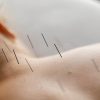
Acupuncture is commonly used to support pain modulation and reduce protective guarding—especially when your system feels “stuck on high alert.” If you’d like a more detailed clinic-style explanation of the nervous system angle, this internal guide is useful: Loong Wellness Blog (search “nervous system & pain”).
As a Registered TCM Practitioner (RTCMP), Dr. Ye is licensed to prescribe customized herbal formulas when clinically appropriate. The key is individualization and safety: formulas are selected for your presentation and adjusted based on response, with medication/supplement screening as part of responsible care.
TCM care is often a strong fit when symptoms recur, migrate, or follow a predictable pattern with stress, sleep, digestion, or training load changes. It’s also a good fit if you prefer a clinician to outline a plan and checkpoints—rather than asking you to “try it and see” indefinitely.
TCM is supportive care and does not replace medical diagnosis when urgent evaluation is needed. Seek immediate medical help for severe or rapidly worsening symptoms, significant weakness, sudden chest or breathing symptoms, new loss of bowel/bladder control, fever with severe pain, or any “red flag” symptom that feels abnormal for you.
Mount Pleasant is our priority community, and we also serve East Vancouver neighbourhoods including Strathcona, Grandview-Woodland / Commercial Drive, Hastings-Sunrise, Kensington-Cedar Cottage, Renfrew-Collingwood, Riley Park–Little Mountain, Victoria-Fraserview, Killarney, Sunset, and Champlain Heights.
For directions and local reviews, use this high-intent map entry: TCM Clinic Vancouver. If you’re searching by neighbourhood, this also works well: Traditional Chinese Medicine East Vancouver. To book, start here: Contact / Booking. If you have benefits coverage questions, this page explains the basics of direct billing: Direct Billing.
This article is for general education and does not provide medical diagnosis or emergency guidance. Individual responses vary, and treatment plans should be personalized. If symptoms are severe, rapidly worsening, or unusual, seek medical attention promptly.
Searching “TCM Clinic Vancouver” usually means you want two things: relief and a plan that makes sense. A Jing Fang (Classical Formulas) approach is designed for recurring patterns—where pain, stress load, sleep, and digestion interact. Start with a structured assessment, follow a short consistent series to establish a trend, then reassess with clear milestones. If you live in Mount Pleasant or East Vancouver and want TCM care that prioritizes reasoning, safety screening, and measurable checkpoints, use the booking page and share your timeline, triggers, and goals.
Most TCM clinics offer Traditional Chinese Medicine assessment and acupuncture, and some also provide herbal consultations depending on practitioner licensing. The key is not the menu—it’s whether your clinician explains the pattern, sets milestones, and adjusts the plan based on your response rather than repeating the same visit every time.
Not always. Acupuncture is one tool within TCM. A TCM clinic typically uses a broader pattern-based assessment that considers sleep, digestion, energy, stress load, and symptom triggers. That framework can guide acupuncture decisions and, when appropriate, herbal medicine recommendations.
Yes. We serve Grandview-Woodland / Commercial Drive and other East Vancouver neighbourhoods, with Mount Pleasant as a priority community. The easiest way to confirm travel time and start booking is via the clinic’s map listing and the online contact form.
It depends on how long symptoms have been present, what triggers them, and how reactive your system is. Many people begin with weekly visits for a few weeks to establish a trend (fewer flare-ups, lower intensity, better sleep), then adjust frequency based on progress and goals.
Most clinics can provide itemized receipts so you can submit claims if your extended health plan covers acupuncture or TCM-related services. Coverage varies by insurer and plan (annual maximums, per-visit limits, and any requirements). It’s best to check your benefits details before booking.
Direct billing availability depends on your insurer and clinic setup. If you want to minimize paperwork, bring your insurance card/details and confirm eligibility when you book. If you’re unsure, start with the clinic’s direct billing page and then message the front desk with your provider name.