

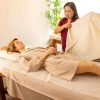


RMT for Seniors – Safe Massage Therapy as You Age (East Vancouver Guide)
Quick answer: RMT for seniors is safe, regulated Registered Massage Therapy that is adapted to aging bodies—using comfort-first positioning, pressure you control, and a clear health screen (medications, bone density, circulation risks). The goal is simple: help you move easier, reduce everyday aches, and feel steadier and calmer—without “toughing it out.”
If you’re searching for massage therapy for seniors Vancouver or senior massage East Vancouver, this guide explains what’s realistic, what’s safe, and how to choose the right session at Loong Wellness near Mount Pleasant.
Why Seniors Book RMT (and What It Can Realistically Help With)
Most seniors do not book massage because they want “deep pressure.” They book RMT for seniors because they want day-to-day function: less stiffness getting out of bed, fewer headaches from neck tension, better walking comfort, and a calmer nervous system.
Common goals we see in East Vancouver
- Mobility support: hips, shoulders, mid-back stiffness, postural tightness.
- Everyday pain relief: sore low back, glute tension, neck/shoulder load, gentle headache support.
- Stress and sleep: downshifting “wired and tired” patterns (especially when sleep is lighter with age).
- Balance confidence: reducing guarded movement and tension that can make walking feel “tight.”
For a broad overview of our clinic approach and services in the neighborhood, see our wellness clinic East Vancouver page.

What Makes RMT for Seniors “Safe” (The 5-Part Safety Framework)
Safety is not one rule—it’s a process. At Loong Wellness, massage therapy for seniors is built around five essentials:
1) A short health screen (every time)
We confirm what matters for older adults: new symptoms, recent falls, surgery recovery, circulation concerns, and medication updates (especially blood thinners).
2) Pressure is always negotiated—not “pushed through”
Effective senior massage should feel productive and comfortable. If something feels sharp, hot, or unsettling, we change the plan immediately.
3) Positioning that respects joints, breathing, and dizziness
Side-lying options, bolsters, extra pillows, and slower transitions on/off the table matter. Comfort and stability reduce flare-ups.
4) Technique selection that matches bone density and tissue tolerance
When osteoporosis risk, fragile skin, or easy bruising is present, we avoid high-force techniques and focus on gentle, targeted work.
5) Consent and communication at every step
You remain in control. We explain what we’re doing and why, and you can pause or stop at any time.
Who Should Get Modified Massage (and Who Should Wait and Ask a Doctor First)
Many older adults can safely receive RMT for seniors—but some situations require a modified approach or medical clearance first.
Typical “modify the session” situations
- Blood thinners / easy bruising: we use lighter pressure and avoid aggressive work.
- Osteoporosis or low bone density: avoid deep pressure over vulnerable areas; emphasize gentle soft-tissue work.
- Varicose veins or venous inflammation: avoid direct pressure over compromised veins.
- Diabetes / neuropathy: extra caution with pressure and sensation feedback.
- Joint replacements: positioning and range-of-motion choices are adjusted.
When to pause and get medical guidance first
- Unexplained swelling, sudden severe pain, fever, or signs of infection.
- Recent major surgery with uncertain clearance for manual therapy.
- New, unexplained neurological symptoms (numbness, weakness, sudden balance changes).
Note: This article is general education, not medical advice. If you are unsure, we can coordinate a conservative plan and recommend you confirm clearance with your physician.

What a First Senior RMT Appointment Looks Like at Loong Wellness
We keep it simple, calm, and measured—especially for first-time clients or anyone anxious about pain or dizziness.
Step-by-step
- Brief intake: goals, key health history, medications, and what “success” looks like for you.
- Quick assessment: movement that matters (turning your neck, reaching a shelf, standing from a chair).
- Hands-on treatment: gentle, targeted work with frequent check-ins.
- Re-test: we re-check the motion we started with to confirm change.
- One or two home tips: simple breathing, heat guidance, or a safe mobility drill.
For pricing and common session lengths, you can reference our Loong Wellness RMT rate and RMT Vancouver pricing guides.
Real Case Example: “More Comfortable Walking, Better Sleep”
Client profile (de-identified): A 74-year-old East Vancouver resident reported morning low-back tightness, hip stiffness on stairs, and lighter sleep. They also bruised easily and preferred a gentle approach.
Plan (4 visits over 5 weeks)
- Session length: 45 minutes to start (reduced fatigue), then one 60-minute follow-up.
- Techniques used: gentle myofascial work to hips and low back, slow glute/hip rotator release, light thoracic mobility work, and diaphragm-breath pacing.
- Home care: a 3-minute evening routine: heat + short walk + one supported hip stretch.
Outcome (client-reported)
- Less stiffness on first steps in the morning, and easier stair tolerance.
- Reduced “guarding” in the hips during longer walks.
- Improved wind-down at night (fewer restless wake-ups).
The key was not intensity—it was consistency, careful pressure choices, and re-testing function each visit.
How Often Should Seniors Get Massage Therapy?
There is no single schedule for massage therapy for seniors. A practical approach is:
- New issue or flare: 1x/week for 2–3 weeks, then reassess.
- Chronic stiffness: every 2–4 weeks to maintain mobility.
- Stress + sleep support: every 2–3 weeks, or monthly for maintenance.
If you want to maximize benefits coverage, start here: is RMT covered by insurance in Vancouver, plus our direct billing page.
Choosing the Right Type of Massage as You Age
Not every session needs to be “therapeutic.” The right choice depends on your goals, health status, and how your body responds.
RMT for seniors (regulated care)
- Best when you want assessment, a treatment plan, and insurance receipts.
- Ideal for recurring pain patterns, mobility limits, headaches, or postural issues.
Gentle relaxation massage (non-registered option)
- Best when your priority is nervous-system calm, stress relief, and sleep wind-down.
- Explore our regular massage Vancouver option if you do not need an RMT receipt.
If you do want deeper work, we can still keep it safe and specific. Our approach on deep tissue massage Main Street Vancouver explains the “specific, not brutal” rule—especially important for older adults.
FAQ: RMT for Seniors (Safe Massage Therapy as You Age)
Is RMT for seniors safe if I take blood thinners?
Often, yes—with modifications. Tell your RMT what you take and if you bruise easily. We adjust pressure and technique selection.
Can massage therapy help seniors with arthritis?
Massage cannot “cure” arthritis, but many seniors find it helps with surrounding muscle tension, stiffness, and stress—so movement feels easier. Your RMT should avoid forcing inflamed joints.
Do I need a doctor’s referral for senior massage in Vancouver?
Usually not for treatment. However, some extended health plans may require a referral for reimbursement—check your policy.
What should I wear and bring?
Wear comfortable clothes. Bring your insurance card if you want direct billing, plus a list of medications if that’s easier than remembering names.
What session length is best for seniors?
Many seniors do well with 45–60 minutes. If you fatigue easily, start shorter and build up.
Do you offer same-day RMT for seniors?
When availability allows, yes. Check walk-in RMT Vancouver for last-minute or same-day options.

 English
 Chinese