- 560 Kingsway Vancouver
- (604) 620 - 6560
- booking@loongwellness.ca

<div class="widget ">
<div class="info-media1">
<div class="media-icon"><i class="fal fa-map-marker-alt"></i></div>
<span class="media-label">560 Kingsway
Vancouver, BC</span>
</div>
<div class="info-media1">
<div class="media-icon"><i class="far fa-phone-alt "></i></div>
<span class="media-label"><a href="tel:+16046206560" class="text-inherit">(604) 620 - 6560</a></span>
</div>
<div class="info-media1">
<div class="media-icon"><i class="fal fa-envelope"></i></div>
<span class="media-label"><a class="text-inherit" href="mailto:booking@loongwellness.ca">booking@loongwellness.ca</a></span>
</div>
</div>Your Best Price is Right Here
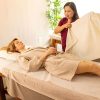
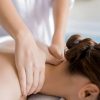
we specialize in cupping therapy, an ancient practice that promotes deep healing, relaxation, and rejuvenation. Whether you're seeking relief from chronic pain, improved circulation, or recovery from physical activity, our expert team provides personalized cupping sessions tailored to your specific needs.


Traditional cupping delivered by CCHPBC-registered practitioners at Loong Wellness. Used for tight shoulders and backs, post-training recovery, and stubborn muscular tension — on its own, or combined with acupuncture in the same visit.
Cupping is a traditional Chinese medicine technique in which cups are placed on the skin and a vacuum is created inside them. The suction lifts the skin and the tissue just beneath it, which decompresses the area rather than compressing it the way hands-on massage does.
That difference matters. Where deep tissue massage pushes into a tight muscle, cupping gently pulls the layers apart. For some people — especially those with long-standing shoulder, upper back or lower back tightness that keeps returning — this creates a different and often more tolerable kind of release.
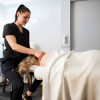
At Loong Wellness, cupping is performed by registered practitioners who assess your condition first, rather than applying a fixed routine. Placement, suction strength and duration are chosen for your body and what you came in for.
Most people notice the treated area feels looser and less restricted afterwards, and many find the session itself deeply relaxing.
Cupping is not a cure-all, and results vary between individuals. For long-standing conditions it usually works best as part of an ongoing plan alongside acupuncture, massage or exercise — not as a one-time fix.
Your practitioner will recommend the approach that suits your condition. Several methods are often used within a single session.
The classic method. Cups are placed on specific points and left in position for several minutes. Most commonly used across the upper back, shoulders and lower back for concentrated, localized tension.
With oil applied to the skin, the cup is moved slowly along the muscle. This covers a broader area and feels closer to a deep, sweeping massage stroke. Useful along the back and the sides of the spine.
Cups are applied and released repeatedly in quick succession. A lighter, more stimulating technique often chosen for people who find sustained suction too intense, or for more sensitive areas.
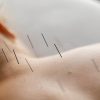
Our most requested combination. Acupuncture addresses the underlying pattern while cupping releases the surrounding muscular tension — both within the same appointment, with no second booking required.
A focused, standalone session for one or two problem areas. A practical option if you want to try cupping for the first time, or need targeted work after a heavy training week.
Some clients book registered massage therapy and cupping on separate visits within the same week. Ask at reception and we'll help you sequence them sensibly.
These are the reasons clients most often give at our East Vancouver clinic. Individual responses vary.
The most common reason people book. Especially upper back, shoulders and neck tightness related to desk work, driving and carrying.
Runners, lifters and weekend athletes often book cupping after heavy sessions, reporting less stiffness and easier movement the following days.
Suction draws blood toward the surface of the treated area. This visible flushing is the mechanism behind the temporary marks cupping is known for.
Many clients describe the sensation as calming and find they sleep better that night. Sessions are quiet, warm and unhurried.
For people who find deep tissue massage too intense, cupping offers a different route to the same tight tissue — by lifting rather than pressing.
You'll see cupping marketed elsewhere as a way to "remove toxins." We don't make that claim. What cupping reliably does is decompress tissue and increase local blood flow — and for many people, that is enough to feel a real difference.
Bring your specific concern to the assessment — your practitioner will tell you honestly whether cupping is the right tool for it.
Cupping leaves round marks where the cups sat. They are the single most common question we get, and the single most common reason people hesitate before booking.
They are not bruises in the usual sense — there's no impact and no crushing of tissue. They're the result of blood being drawn toward the skin's surface by the suction. They are typically painless to the touch.
Most marks fade within 3 to 7 days, though this varies considerably between individuals. If you have an event coming up, tell us and we'll plan placement and timing around it.
You'll find charts online claiming each shade indicates a specific condition. Treat those with caution — mark colour is affected by suction strength, duration, skin type and the individual, not just by what's happening in the muscle.
Transparent rates, no membership required. Current pricing is always shown at the time of booking.
Targeted work on one or two problem areas. A good entry point if you're new to cupping.
Both treatments in one appointment. Also available at 45 minutes ($105) and 75 minutes ($150).
Full intake and assessment plus treatment. Required for new acupuncture and cupping clients.
Many extended health plans in British Columbia include coverage for acupuncture performed by a registered practitioner. We direct bill to major providers where your plan permits it, which means you pay only the remaining portion at the desk rather than claiming it back yourself.
Coverage differs from plan to plan. Confirm your own limits with your insurer before booking, or see our direct billing information.
All of our acupuncture and TCM practitioners are registered with the College of Complementary Health Professionals of BC (CCHPBC), the provincial regulator.
Works with clients seeking combined acupuncture and cupping treatment in a single session.
View profile & availability →Provides cupping within a broader TCM framework, alongside acupuncture and other traditional methods.
View profile & availability →Treats muscular tension and recovery-focused concerns using acupuncture combined with cupping.
View profile & availability →If you're unsure, book an assessment and we'll advise you honestly. Many clients end up using more than one.
You have persistent tightness in a defined area, deep pressure feels too intense for you, or you're recovering from heavy physical activity.
Marks are expected and temporary.
Your concern is systemic rather than purely muscular — sleep, stress, digestion, headaches or hormonal patterns.
You want hands-on assessment and treatment from a Registered Massage Therapist, with insurance receipts under massage therapy coverage.
Cupping is well tolerated by most people, but it isn't right for everyone or every area of the body. Please mention any of the following at intake so your practitioner can adapt the treatment or recommend an alternative:
This page is general information, not medical advice. If you have a diagnosed condition or you're under active treatment, speak with your physician about whether cupping is appropriate for you.
It shouldn't. Most people describe a firm pulling or tugging sensation, and many find it relaxing. If at any point it feels sharp, burning or genuinely painful, tell your practitioner — the suction will be reduced or the cup removed immediately.
Usually 3 to 7 days, though this varies considerably between individuals and depends on suction strength and how long the cups were left in place. If you have an event coming up, let us know in advance and we'll plan around it.
When cupping is provided by a registered acupuncturist as part of treatment, many BC extended health plans will cover it under their acupuncture benefit. We direct bill to major providers where your plan allows. Coverage varies — confirm your own limits with your insurer.
For acute tightness after a heavy training week, a single session is often enough. For long-standing tension, practitioners commonly suggest a short series spaced one to two weeks apart, then reassessing. Your practitioner will give you a realistic estimate after the assessment rather than committing you upfront.
Yes — this is our most requested combination, and it's how many of our clients book. There's no need to schedule two separate visits.
No referral is required in British Columbia. You can book directly. Some extended health plans do ask for one before they'll reimburse, so it's worth checking your own policy.
Loose, comfortable clothing. You'll be draped throughout and only the area being treated is exposed. If you're having your back cupped, expect to undress to the waist under the drape.
Often, yes. We hold same-day openings most weekdays at our East Vancouver clinic. Availability is shown live when you book online.
560 Kingsway, minutes from Mount Pleasant, Fraser Street and Main Street. Same-day openings available most weekdays.
Address: 560 Kingsway, Vancouver, BC
Phone: (604) 620-6560
Email: booking@loongwellness.ca
Hours: Sunday to Friday, 9:00am – 6:00pm
Serving East Vancouver, Mount Pleasant, Main Street, Fraser Street, Commercial Drive, Riley Park, Kensington-Cedar Cottage and surrounding neighbourhoods.
🎉 Relax on Us! Enjoy First Time Visit on Non-registered massage 🎉 $35 ONLY