- 560 Kingsway Vancouver
- (604) 620 - 6560
- booking@loongwellness.ca
Featured Answer: For muscle tension and pain relief in Vancouver, Tui Na is often best when you want hands-on work with less needle sensation, cupping may suit deep tightness and restricted movement, and acupuncture is worth considering when pain is recurring, nerve-like, stress-linked, or not improving with manual therapy alone.
If you are choosing between acupuncture, cupping, or Tui Na in Vancouver, the problem is usually not a lack of options. The problem is knowing which option matches your body right now. Neck tension, back stiffness, shoulder tightness, desk posture fatigue, and recurring pain can all feel similar, but they may need different treatment approaches.

At Loong Wellness on Kingsway, this decision matters because Chueh-Lin Jimmy Kuo provides Traditional Chinese Medicine care that can include acupuncture, cupping, and manual therapy options. The goal is not to say one treatment is better than the others. The goal is to help you book the right starting point and avoid wasting a visit on the wrong fit.
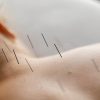
Acupuncture, cupping, or Tui Na in Vancouver should be chosen by symptom pattern, not by popularity. Acupuncture uses fine needles at selected points and may be considered when pain is persistent, sensitive, or connected with stress, sleep, or nervous-system tension. Cupping uses suction and is often chosen for tight backs, shoulders, and areas that feel dense or guarded. Tui Na is hands-on TCM manual therapy, often selected by people who want direct work without a needle-first approach.
If you are new to this category, start with Loong Wellness’s TCM Vancouver page to understand how these services fit under Traditional Chinese Medicine. Then use the table below to make the booking decision more practical.
| Your Situation | Best Starting Fit | Why It May Fit | Booking Note |
|---|---|---|---|
| You want less needle sensation | Tui Na or cupping | Both options can support muscle tension without starting with needles. | Good for cautious first-time TCM clients. |
| Deep tightness plus restricted movement | Tui Na plus cupping | Manual work and suction may help address guarded tissue and stiffness. | Useful for back, shoulder, and desk-posture tension. |
| Recurring pain or nerve-like discomfort | Acupuncture assessment | Acupuncture may be more suitable when pain is persistent, sensitive, or radiating. | Book an assessment rather than guessing. |
| One local tight area | Tui Na | Focused manual therapy can be efficient for one main area. | Consider 45 minutes if the concern is specific. |
| Full upper-back heaviness after desk work | Tui Na or cupping | Both can target muscle guarding and posture-related tension. | Consider 60 minutes if several areas are involved. |
This is where the clinic can reduce booking hesitation. Someone searching for pain relief may not know whether to choose acupuncture, cupping, or Tui Na. A decision table turns that uncertainty into a clear next step.

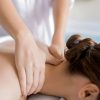
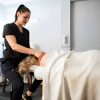
Tui Na may be the better first choice if you want manual therapy, prefer less needle sensation, or have one main area that feels tight. A typical example is neck and shoulder tension from laptop work, driving, lifting, or long hours at a desk.
If your main decision is appointment length, read Tui Na in Vancouver: 45 vs 60 Minute Booking Guide. In general, 45 minutes may fit one local concern, while 60 minutes is better for multi-area tension or a more complete treatment flow.
Cupping may suit people who feel heavy, tight, or restricted through the back, shoulders, and larger muscle areas. Instead of pressing down into the muscle, cupping uses suction. Many clients choose it when they want tissue work but do not want a full manual-pressure session.
For Vancouver clients comparing options, Loong Wellness also has a dedicated page for cupping therapy in Vancouver. Cupping may be a useful add-on when muscle tension feels deep, stubborn, or connected with limited range of motion.
Acupuncture may be a better starting point when discomfort keeps returning, feels sharp or nerve-like, or seems connected with stress, poor sleep, or a flare cycle. This does not mean acupuncture is automatically stronger than Tui Na or cupping. It means the pattern may require assessment beyond local muscle tightness.
For athletes or active clients, Loong Wellness discusses acupuncture as part of recovery planning in its guide to acupuncture for sports injuries in Vancouver. If the issue involves recurring pain, radiating symptoms, or sensitivity, book an acupuncture assessment instead of guessing from a menu.
Some people should still book RMT first, especially when they need regulated massage therapy, insurance-friendly receipts, treatment notes, or a structured massage therapy assessment. This is not a conflict with TCM services. It is a booking-fit question.
If you are choosing between TCM manual therapy and massage therapy, read Tui Na vs RMT in Vancouver. That article explains when RMT may be the better option for neck, back, and shoulder tension, and when Tui Na may be a better manual-therapy fit.
Loong Wellness is located at 560 Kingsway, making it practical for clients searching for acupuncture, cupping, or Tui Na near Mount Pleasant, East Vancouver, Kensington-Cedar Cottage, Commercial Drive, Riley Park, Strathcona, and nearby Kingsway communities.
If you want to book with Jimmy, use this JaneApp profile: book acupuncture, cupping, or Tui Na with Chueh-Lin Jimmy Kuo. If you are still unsure, use the Loong Wellness contact page before booking, especially if you are deciding between acupuncture, cupping, Tui Na, or RMT.

Acupuncture, cupping, or Tui Na in Vancouver should be selected by symptom pattern, not habit. Choose Tui Na when you want focused hands-on work or less needle sensation. Consider cupping when deep tightness and restricted movement are the main issues. Start with acupuncture assessment when pain is recurring, nerve-like, sensitive, or not improving with manual therapy alone. This approach helps clients book faster, reduces internal service confusion, and gives Jimmy a clearer path to convert people who are unsure which TCM service to choose.
There is no universal best option. Tui Na may fit focused muscle tension, cupping may fit deep tightness and stiffness, and acupuncture may fit recurring or sensitive pain. The right choice depends on your symptoms, comfort with needles, and whether the issue is local or recurring.
If you want less needle sensation, start with Tui Na or cupping. Tui Na gives more hands-on manual therapy, while cupping uses suction over tight areas. If symptoms are recurring or nerve-like, you can still ask whether acupuncture assessment is appropriate.
Yes, they may be combined when the practitioner thinks both approaches fit the case. For example, Tui Na may be used for focused manual work, while cupping may support areas that feel guarded, heavy, or restricted. The plan should be based on assessment.
Choose acupuncture assessment first when pain is recurring, sensitive, nerve-like, radiating, or connected with stress and sleep issues. Acupuncture may also be considered when manual therapy alone has not helped enough. Severe or urgent symptoms should be medically assessed first.
Tui Na is a Traditional Chinese Medicine manual therapy style. It can feel like bodywork, but it is not the same as RMT massage. If you need regulated massage therapy, insurance documentation, or RMT-specific receipts, RMT may be the better booking choice.
Coverage depends on your plan, provider type, and receipt category. Acupuncture may be covered under some extended health plans, while RMT is usually separate. Cupping and Tui Na coverage can vary, so check your plan before booking if reimbursement matters.
Yes. Loong Wellness is on Kingsway in Vancouver, close to Mount Pleasant and convenient for many East Vancouver clients. People searching for Tui Na East Vancouver, cupping near Kingsway, or acupuncture near Mount Pleasant can use the clinic map listing for directions.
This article is for general education only and does not replace medical diagnosis, emergency care, or advice from your physician. If you have severe pain, recent trauma, neurological symptoms, chest pain, unexplained swelling, infection, fever, or urgent symptoms, seek appropriate medical care before booking acupuncture, cupping, Tui Na, RMT, or any manual therapy.